 Baku 21° C
Okhchuoglu – A Western Azerbaijan village renamed, its residents expelled, but its traces remain
- 13 November, 2026
- 13:44
Stay up to date with the top news!
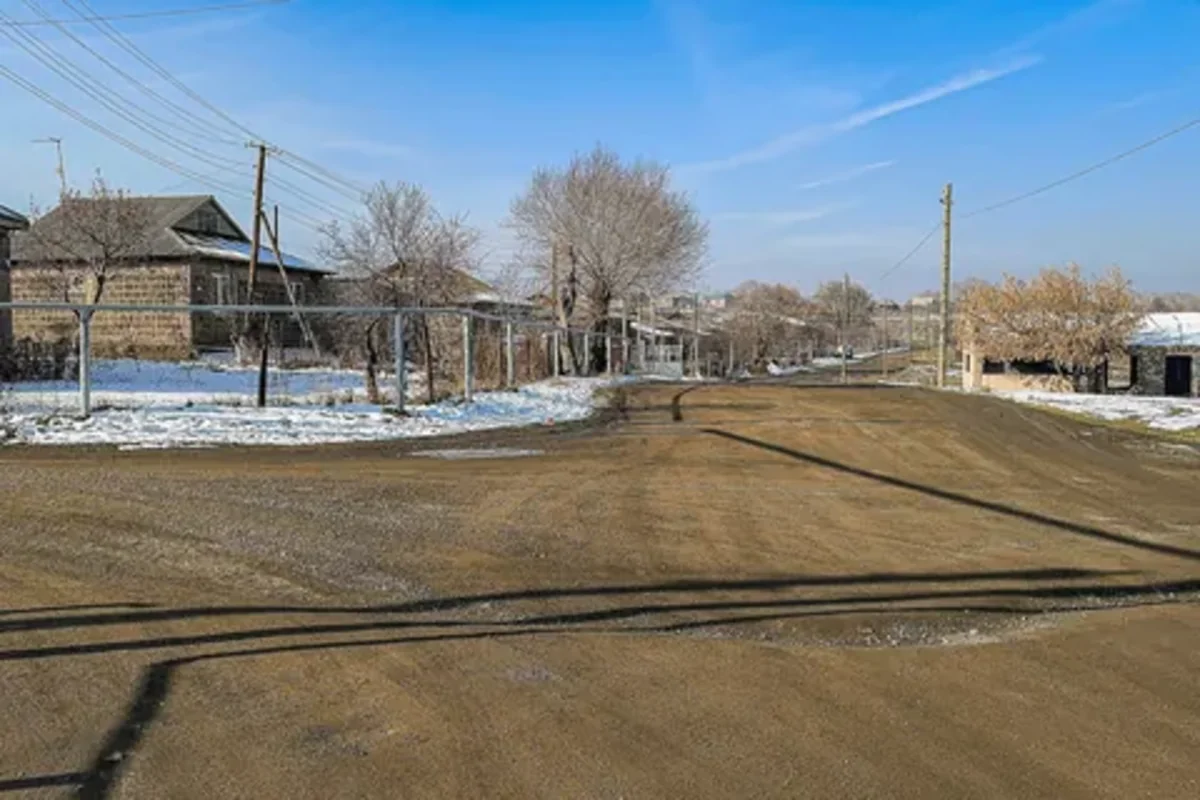
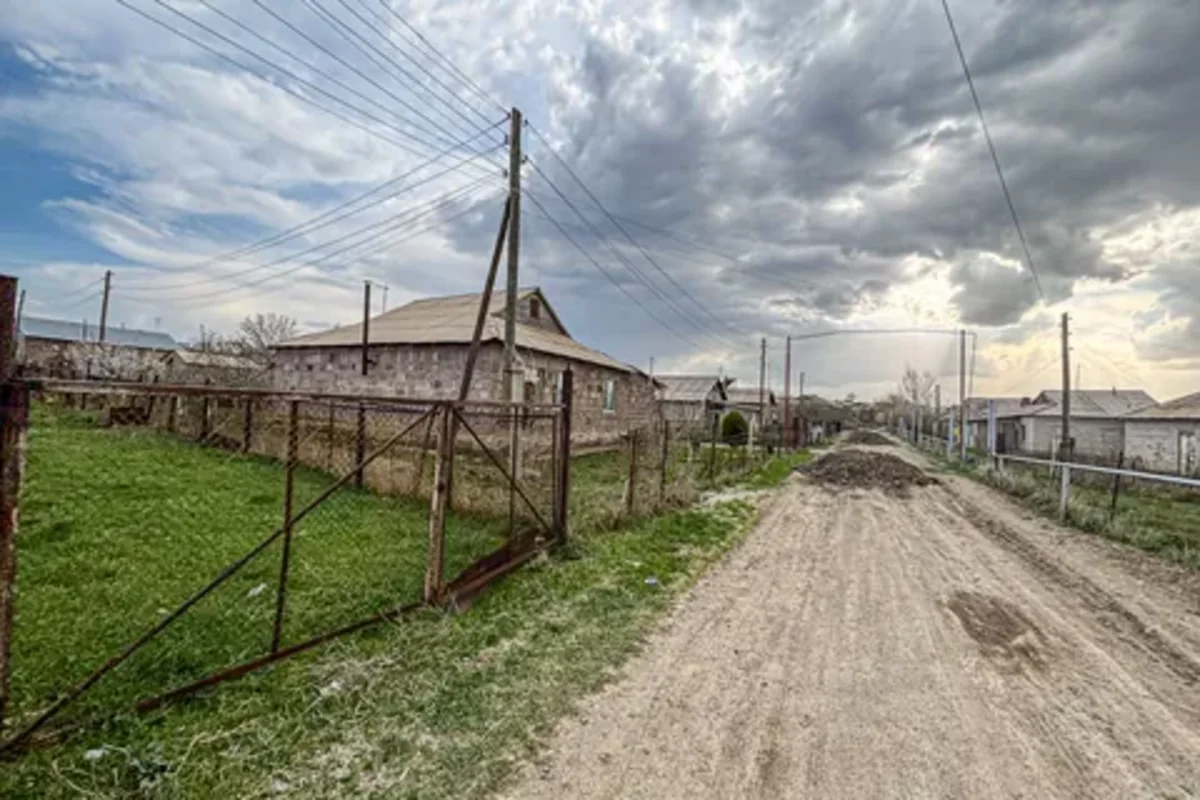
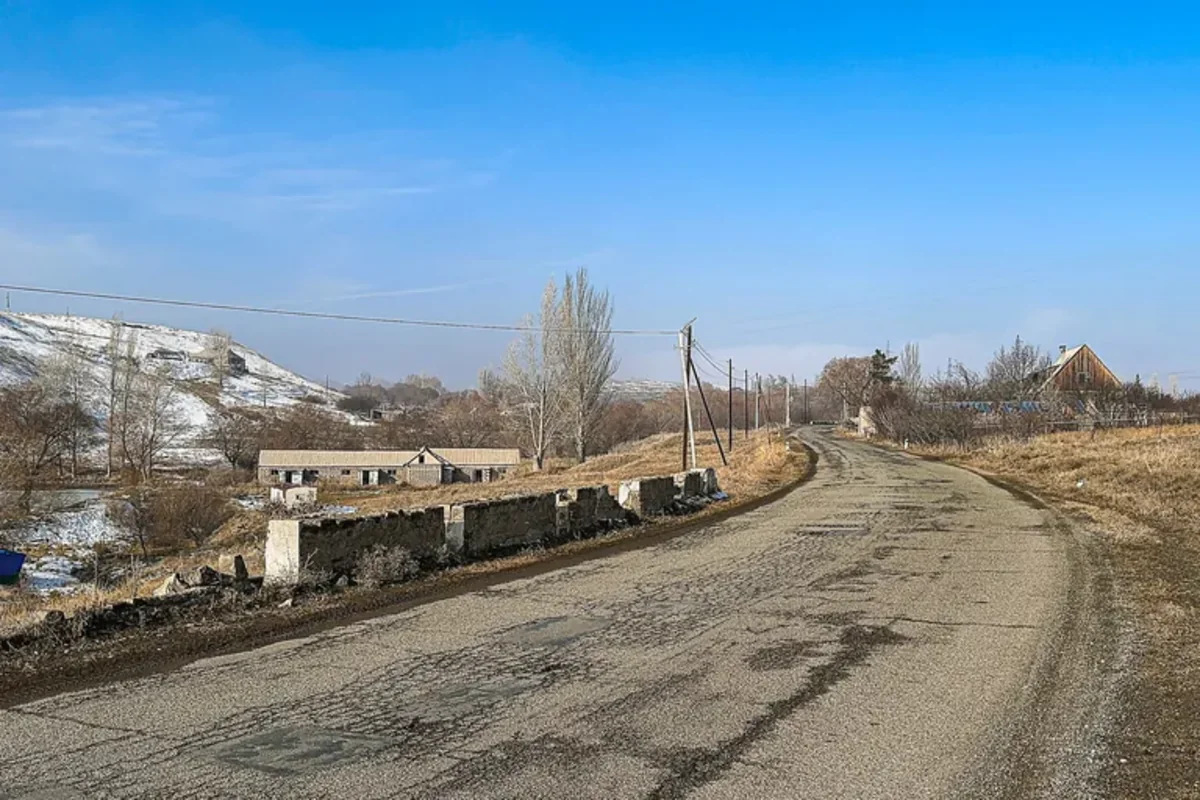
As part of the Memory Sites of Western Azerbaijan project, a study has been prepared on the history of Okhchuoglu (Voghji), a historic village in present-day Armenia that was depopulated following the expulsion of its Azerbaijani residents in the late 1980s.
According to Report, the Azerbaijani village in Armenia, where Azerbaijanis lived until the late 1980s, was known as Okhchuoglu during the Russian Empire and as Okhchoghli during the Soviet period.
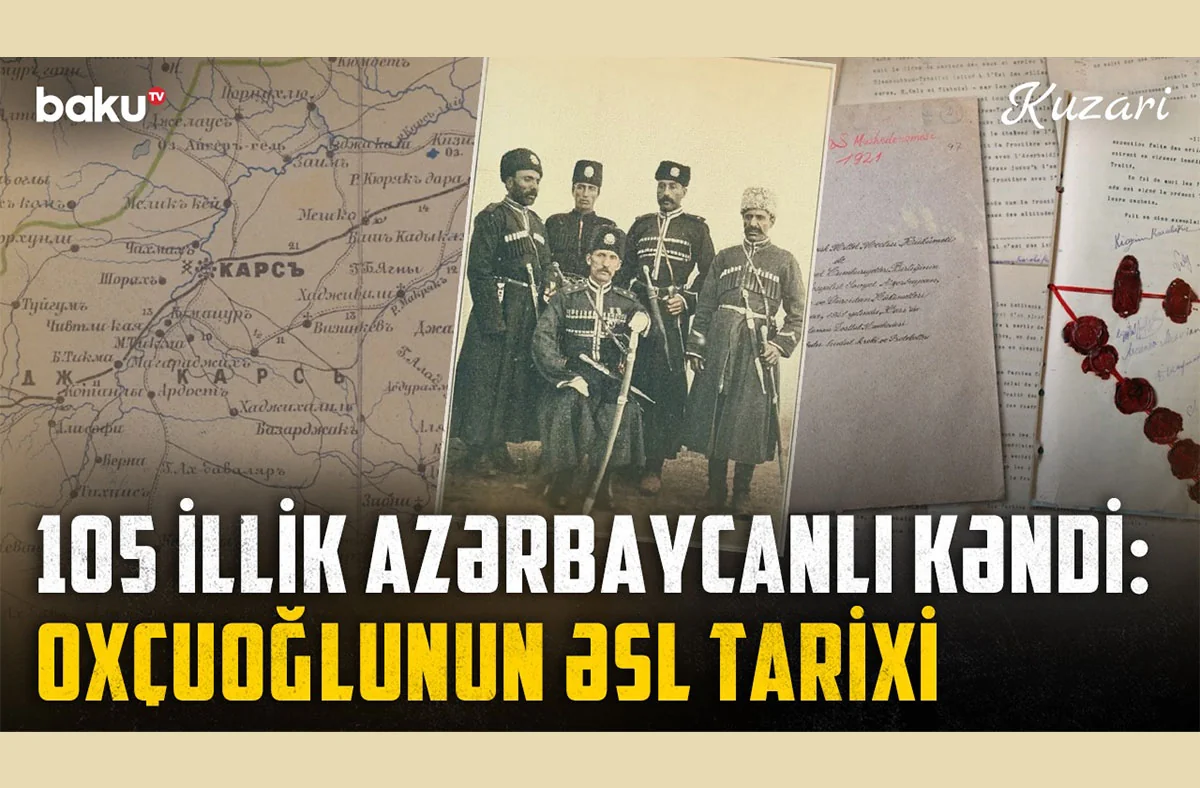
The village retained the name Okhchuoglu for at least 105 years. In April 1991, its name was changed to Voghji as part of a policy aimed at Armenianizing and erasing Azerbaijani heritage in Armenia.
Since 1995, the village has been part of Armenia's Shirak Province. During the Russian Empire, it belonged to the Kars District of Kars Oblast. According to statistical records dating back to the Tsarist period, which are also cited by Armenian sources, only Azerbaijanis or predominantly Azerbaijanis lived in the village at various times before 1915. Some sources identify them as Karapapaks, an ethnographic group of Azerbaijanis.
In 1903, the village had a population of 756, all of whom were Karapapaks. In 1911, its population was 930, consisting predominantly of Karapapaks.
The sharp decline in the number of ethnic Turkish residents in the village is cited as evidence that the population of Okhchuoglu was subjected to ethnic cleansing. This becomes apparent when earlier population figures are compared with the results of the 1922 census of Soviet Armenia. In 1922, the village had 454 residents, 453 of whom were Azerbaijanis.
During the Soviet period, the village was part of Aghbaba District, which was later renamed Amasia District. According to Armenian sources, Azerbaijanis continued to live in the village until the late 1980s.
In 1959, the village had a population of 1,087, predominantly Azerbaijanis. Its population stood at 1,412 in 1970, 150 in 1979, and 110 in 1989.
In the late 1980s, amid Armenian territorial claims over Karabakh and growing tensions between the two republics, Azerbaijanis were completely expelled from the territory of the Armenian SSR. Following their expulsion, Armenians were settled in the village.
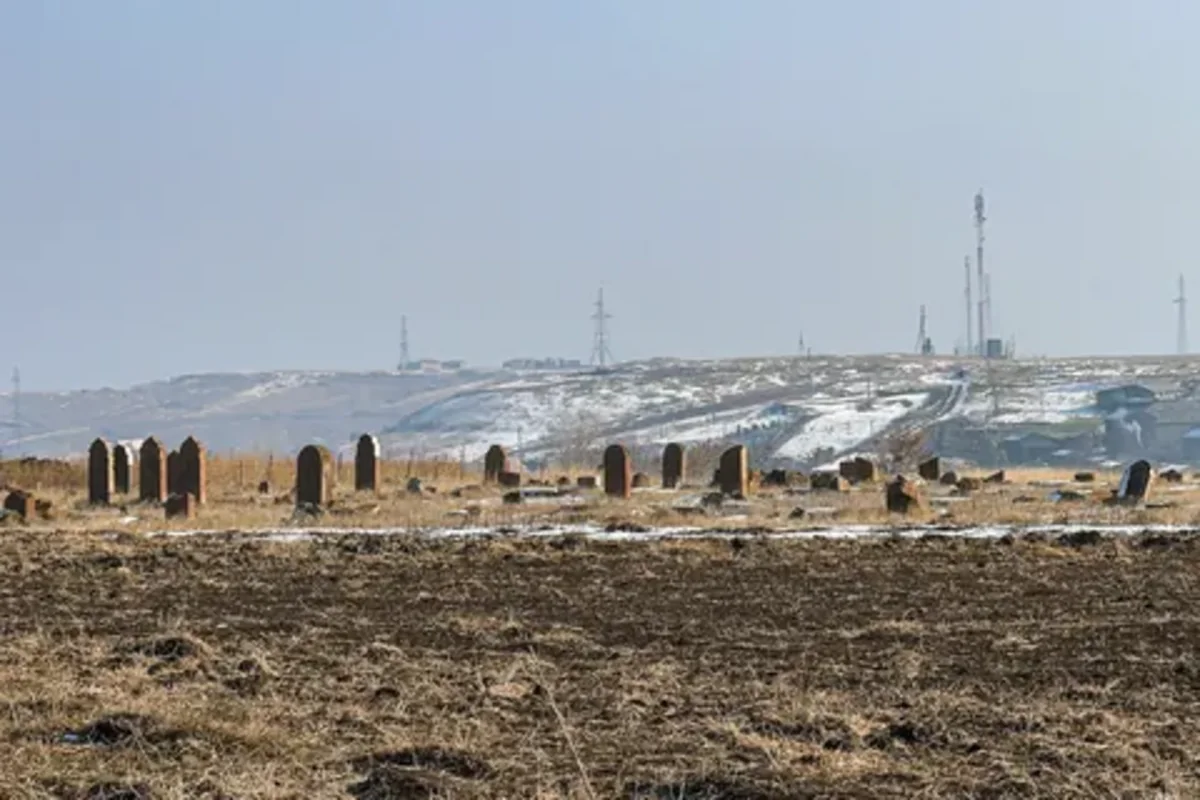
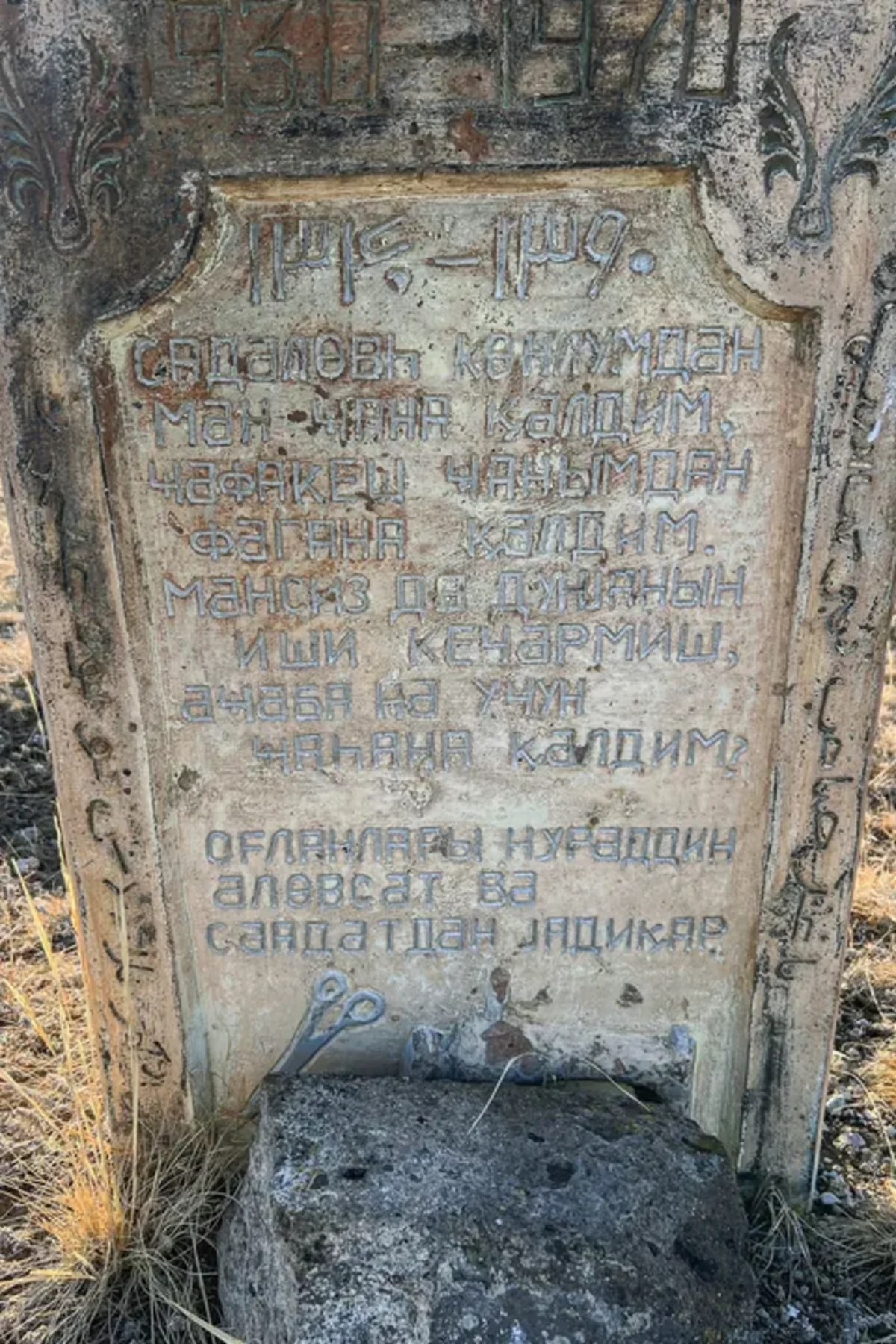
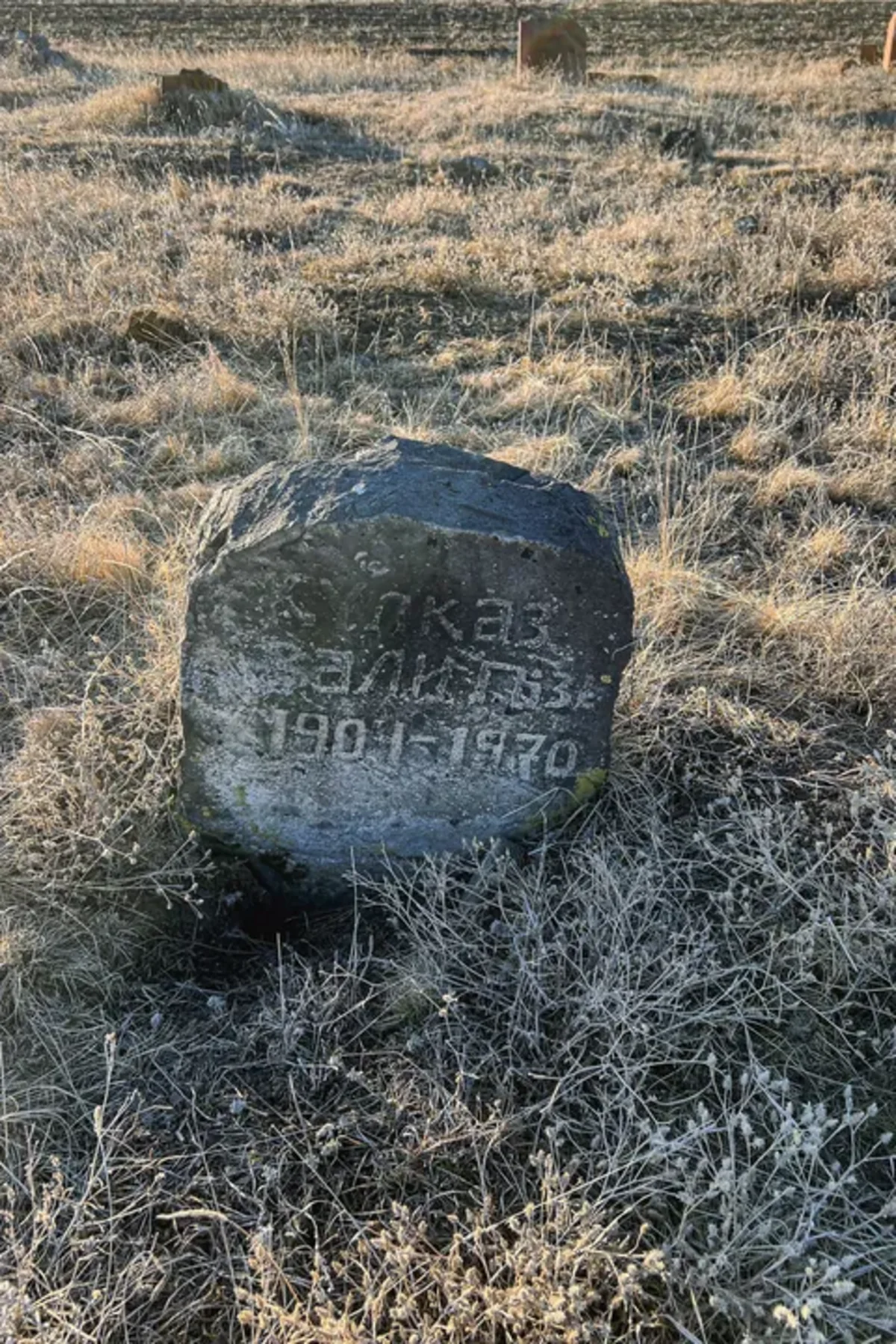
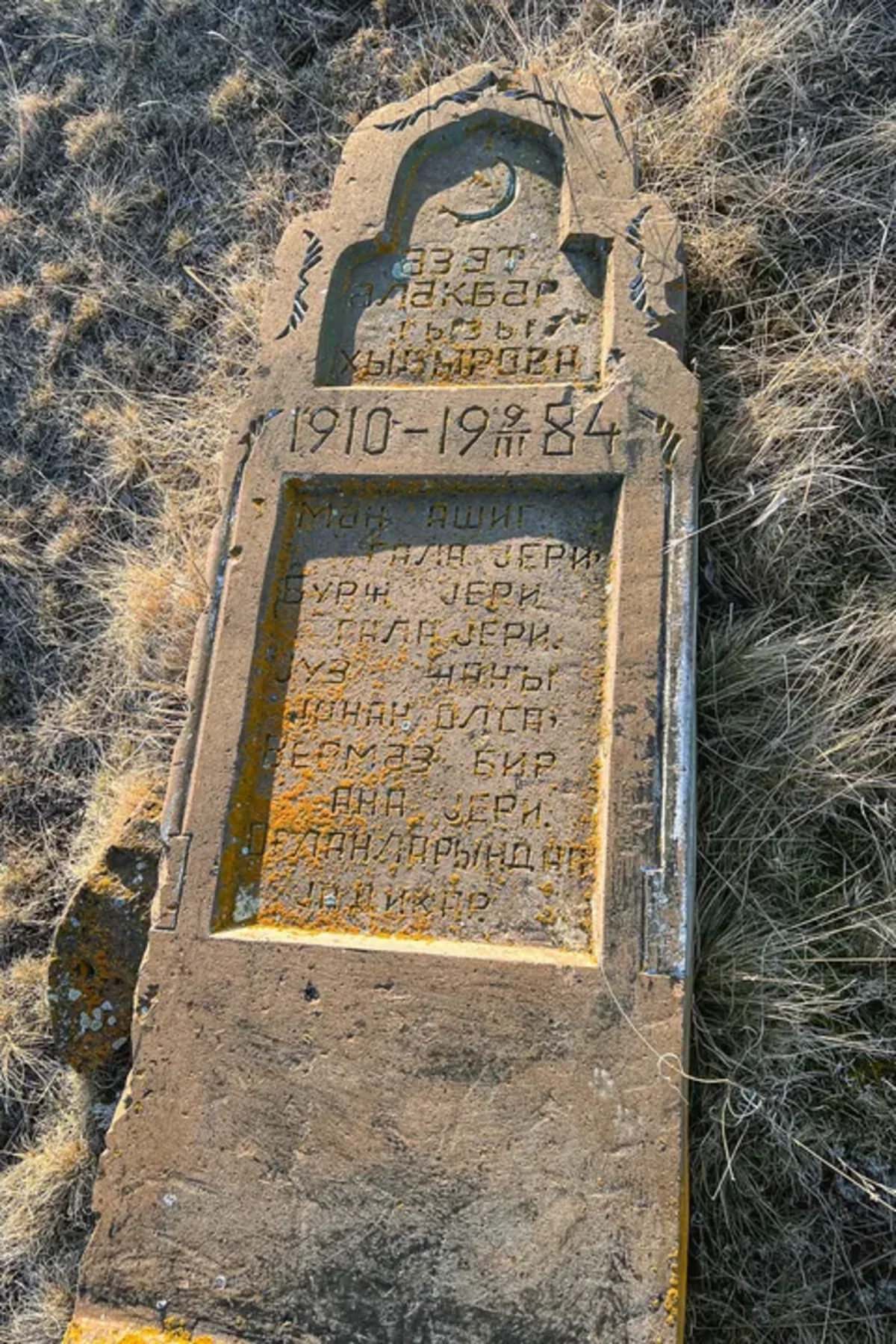
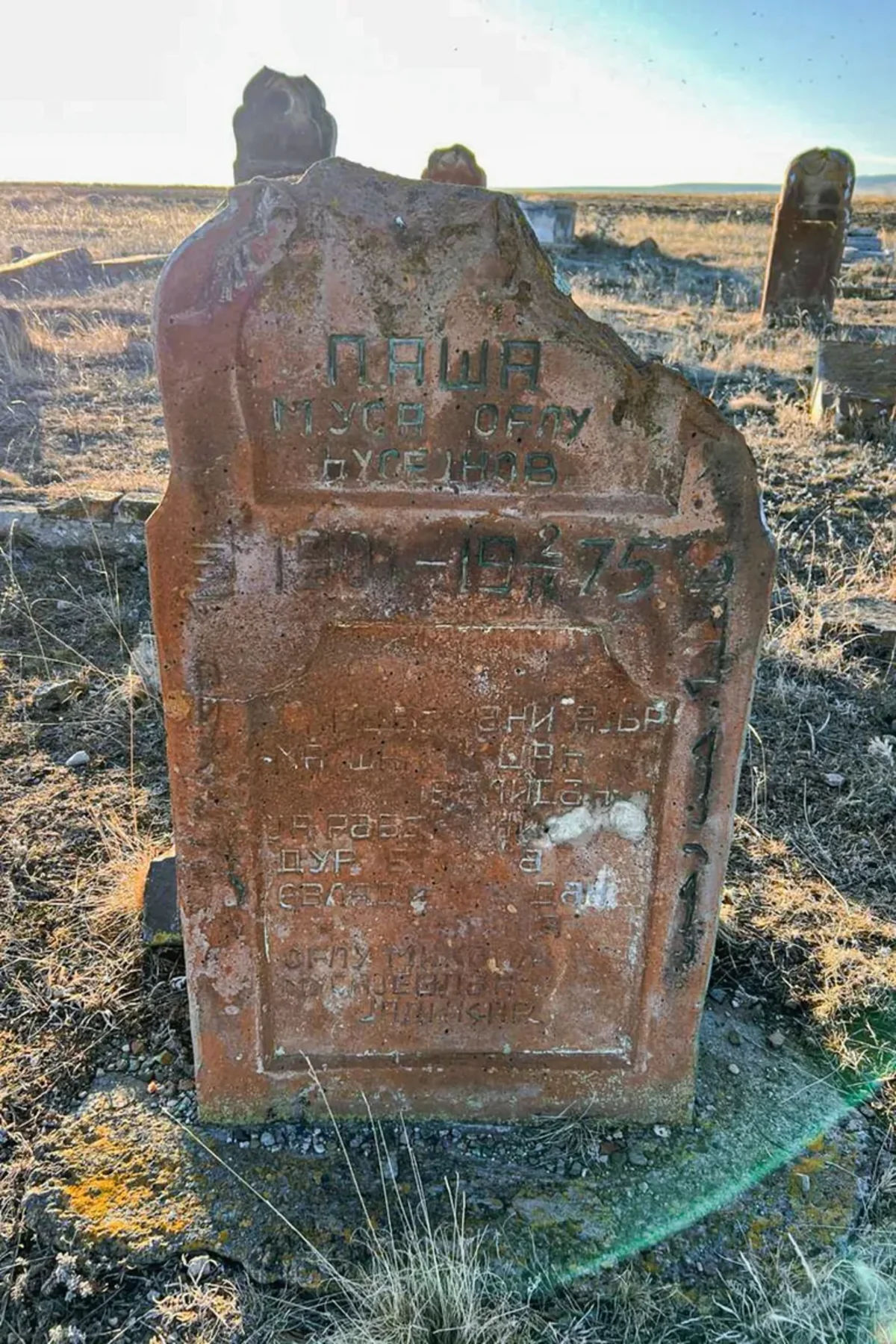
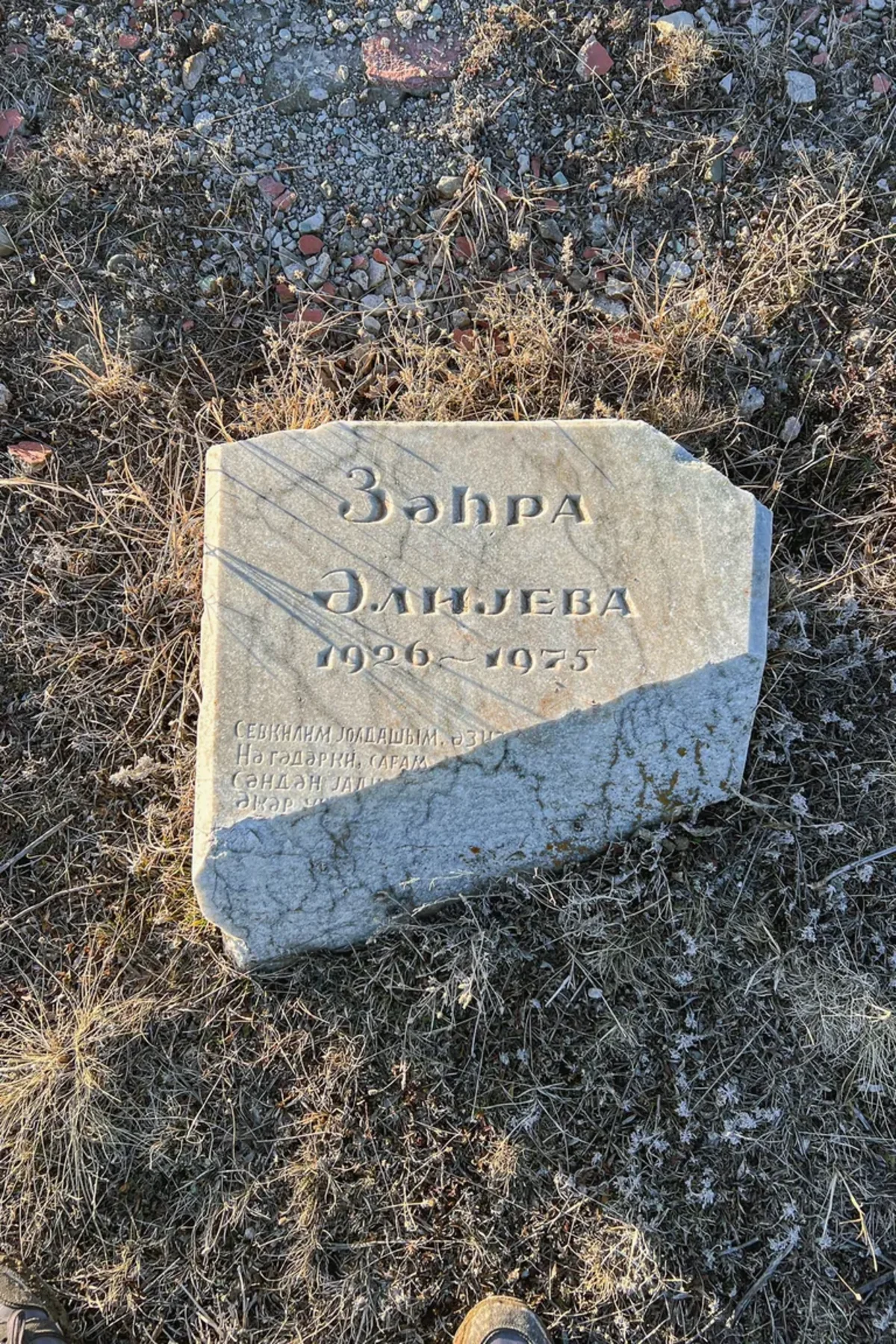
Between 2021 and 2024, extensive fieldwork was carried out as part of the preparation of the book "Lost Civilization" to identify and document Azerbaijani heritage across Armenia, including in remote mountainous areas. During this work, an Azerbaijani cemetery containing dozens of gravestones, some of which have survived partially intact, was discovered in the village.