
 Baku 21° C
Sites of Memory of Western Azerbaijan: Ethnic cleansing in Alagoz village
- 03 November, 2026
- 16:09
Stay up to date with the top news!
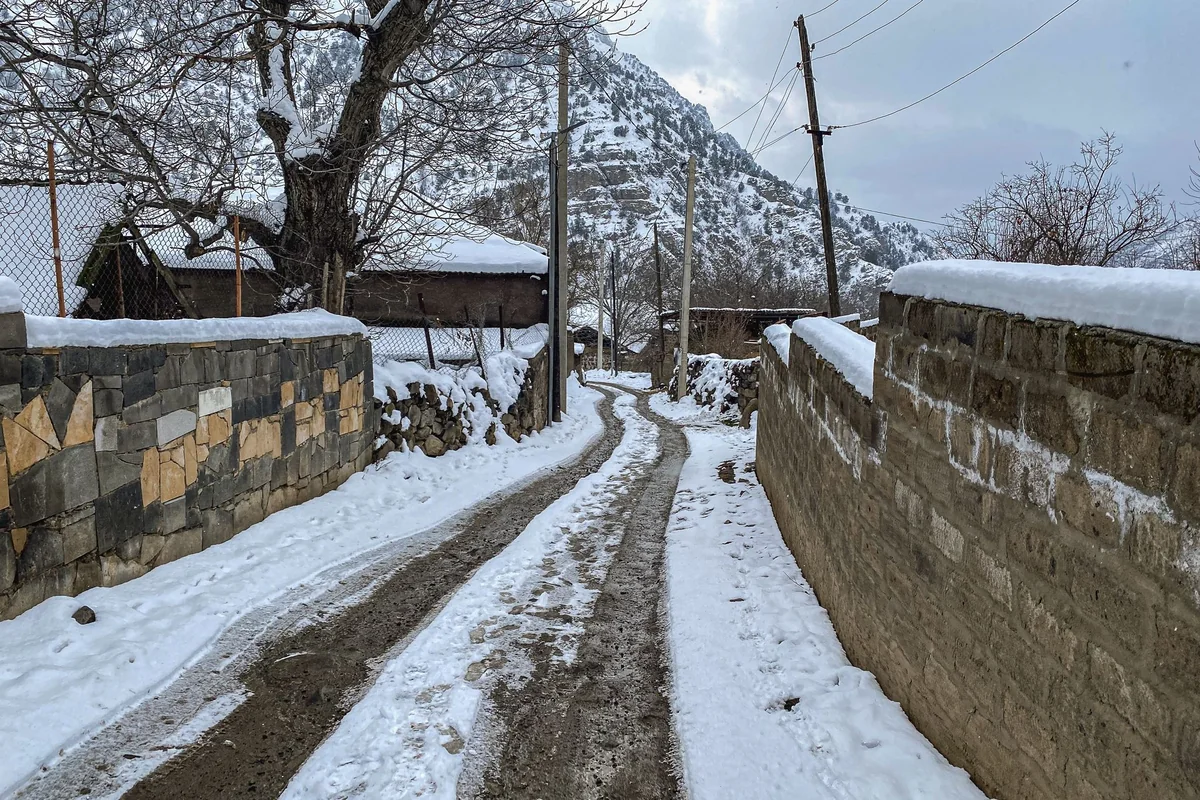
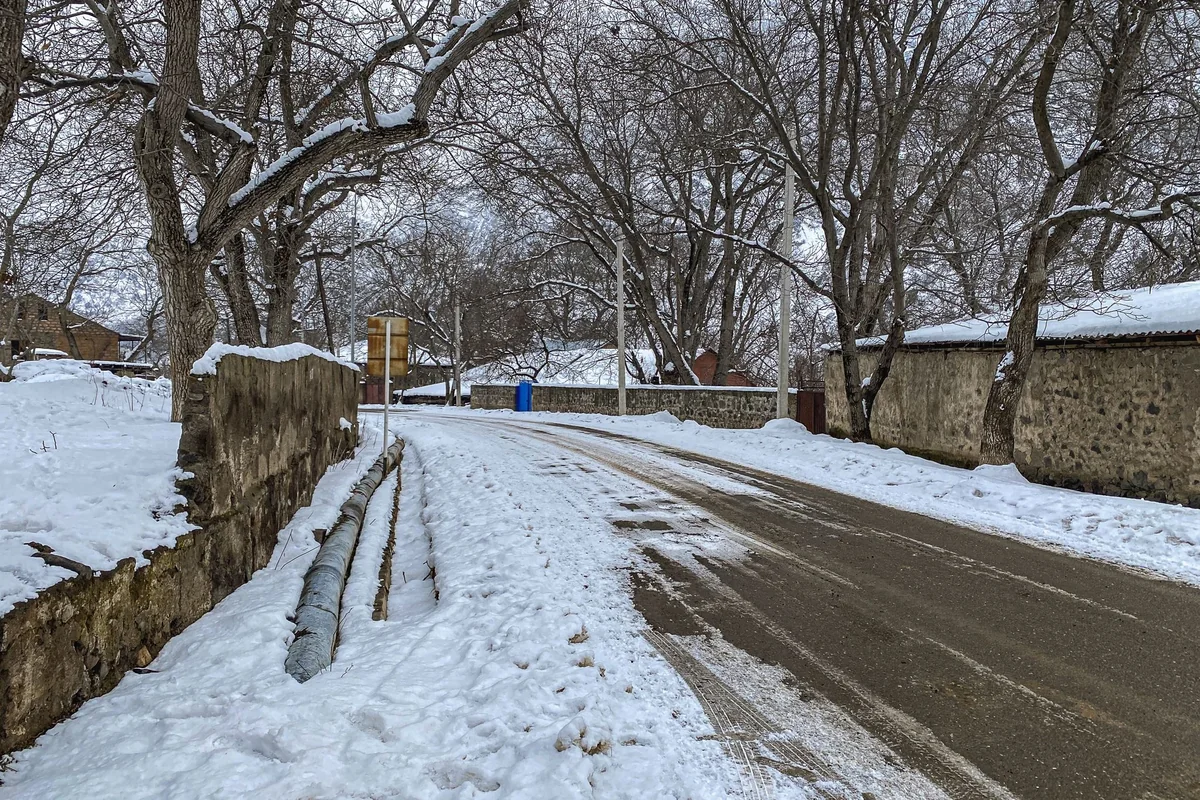
A study on the history of Alagoz, an Azerbaijani village in present-day Armenia left depopulated following the expulsion of its Azerbaijani residents in the late 1980s, has been published under the "Sites of Memory of Western Azerbaijan" project.
Report informs that the article appeared in Perished Civilization.
The village's name was recorded as Alagez and Alagyaz during the Tsarist period and Alayaz during the Soviet period. The village was known as Alagoz for several centuries. In April 1991, it was renamed Yeghegis as part of what the article describes as a policy of Armenianization and the erasure of Azerbaijani heritage in Armenia.
Since 1995, the village has been part of Vayots Dzor Province of the Republic of Armenia.
The village is mentioned in Ottoman sources dating to the 18th century.
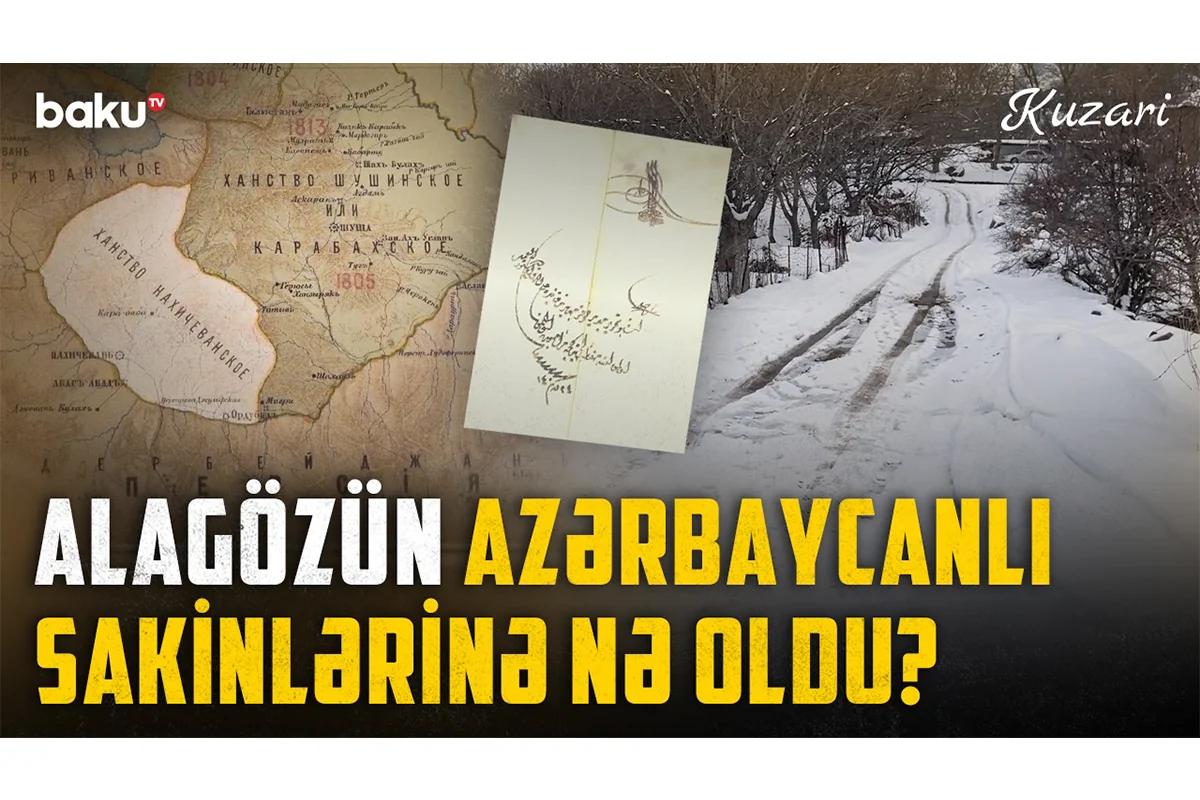
From the mid-18th century until the Russian conquest, the territory of the village formed part of the Daralayaz mahal of the Nakhchivan Khanate.
Russia occupied the territory of the Nakhchivan Khanate in 1827. Its incorporation into the Russian Empire was formalized by the 1828 Treaty of Turkmenchay. During the Tsarist period, the village was part of the Sharur-Daralayaz Uyezd of the Erivan Governorate.
Between 1829 and 1832, an administrative census of the territories of the former Iravan and Nakhchivan khanates was conducted at the direction of the Russian authorities. According to the census, Alagoz had 98 inhabitants, including 32 indigenous Turkic residents and 66 Armenian residents, 58 of whom were settlers from Persia.
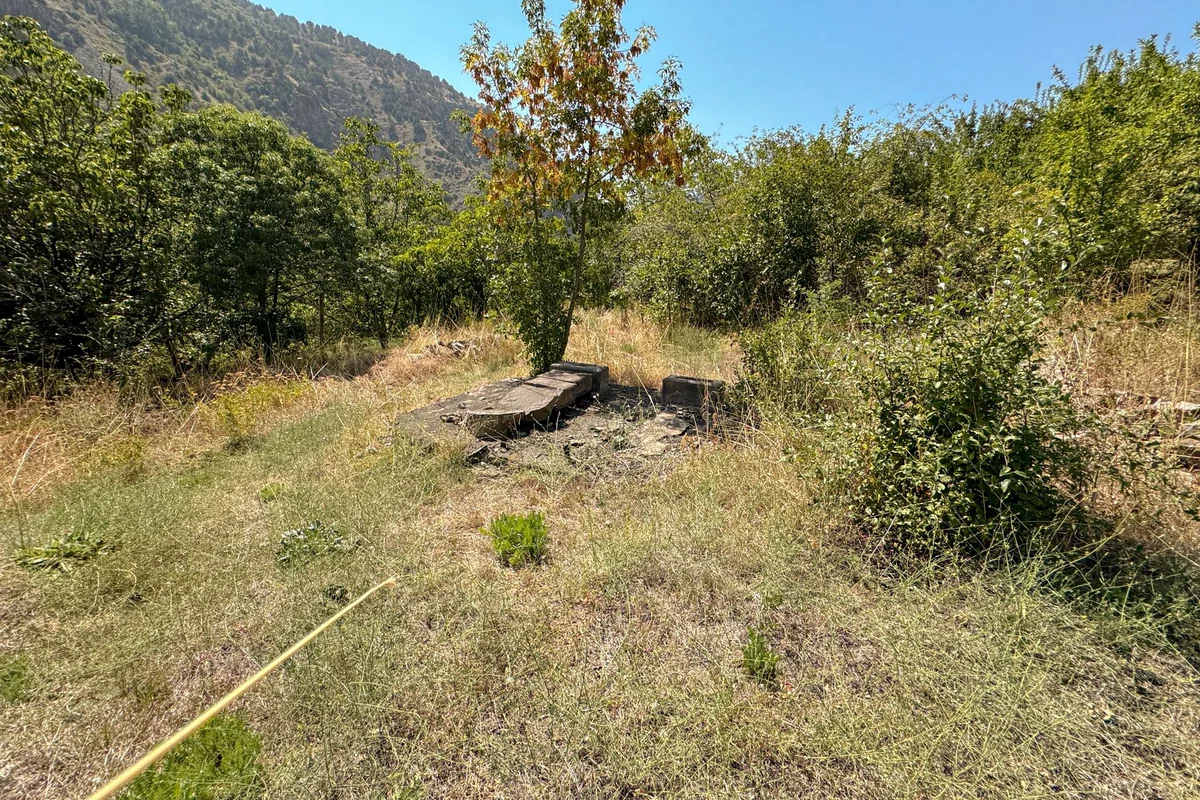
Collection of Information about the Caucasus:
"In 1873, the village had 223 inhabitants, all of whom were ancestors of the Azerbaijanis."
On May 29, 1918, the government of the Azerbaijan Democratic Republic (ADR) ceded Erivan, present-day Yerevan, and several surrounding territories to the Armenians. The article states that the First Republic of Armenia was thereby established on land that had historically been inhabited by ancestors of present-day Azerbaijanis. Within the first few months of its existence, it began to make territorial claims against its neighbors: Azerbaijan, Georgia, and Türkiye (the Ottoman Empire at the time).
According to the article, between 1918 and 1920, Dashnaktsutyun, the nationalist party that held power in the Republic of Armenia, carried out ethnic cleansing of the Turkic population in the Erivan Governorate and in other areas, particularly in Zangezur, Karabakh, and Nakhchivan.
The study argues that the sharp decline in the Turkic population of Alagoz provides evidence that its residents were subjected to ethnic cleansing. A comparison of earlier population figures with those recorded in Soviet Armenia's 1922 census makes the change apparent. In 1922, the village had 271 inhabitants, 180 of whom were Azerbaijanis.
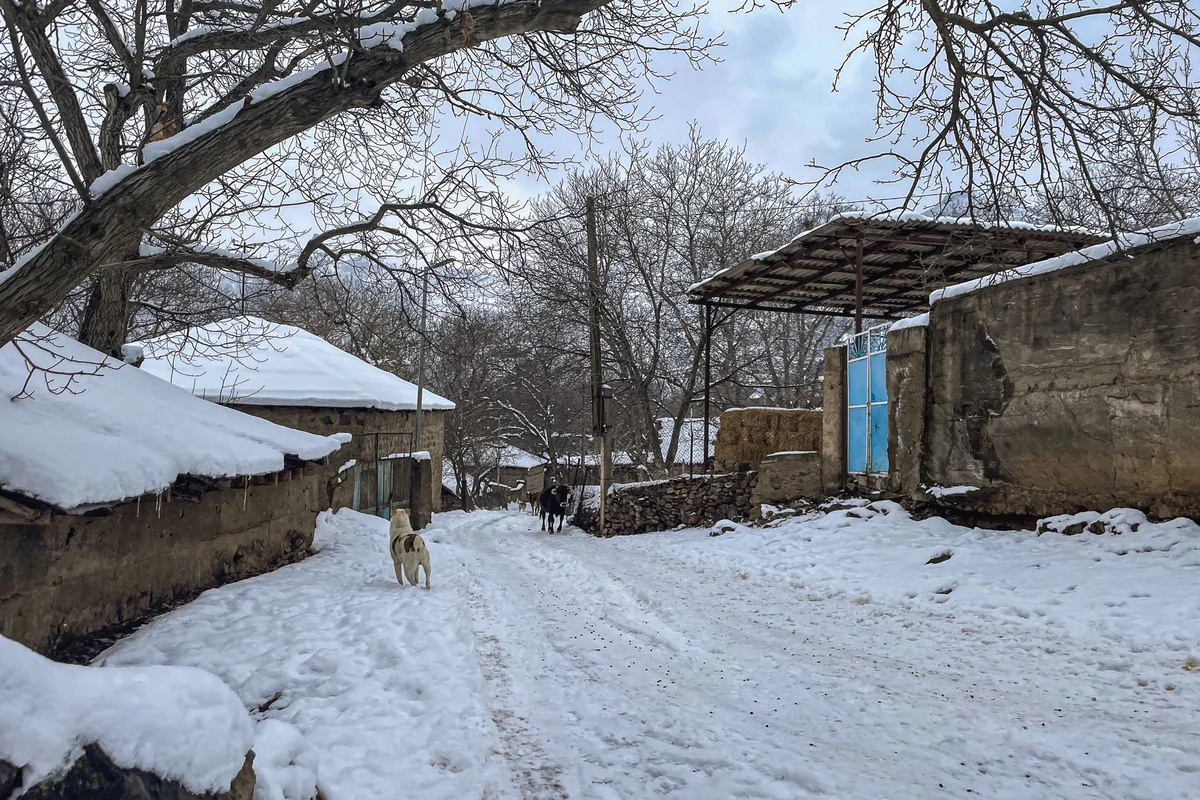
T. Kh. Hakobyan, St. T. Melik-Bakhshyan and H. Kh. Barsegyan, Dictionary of Toponymy of Armenia and Adjacent Territories:
"In 1989, the village had 262 inhabitants, all of whom were Azerbaijanis."
The article states that in the late 1980s, as a result of Armenian territorial claims to Karabakh and escalating tensions between the two republics, Azerbaijanis were permanently driven out of the territory of the Armenian SSR.
After the Azerbaijanis were driven out, the territory of the village was settled by Armenians.
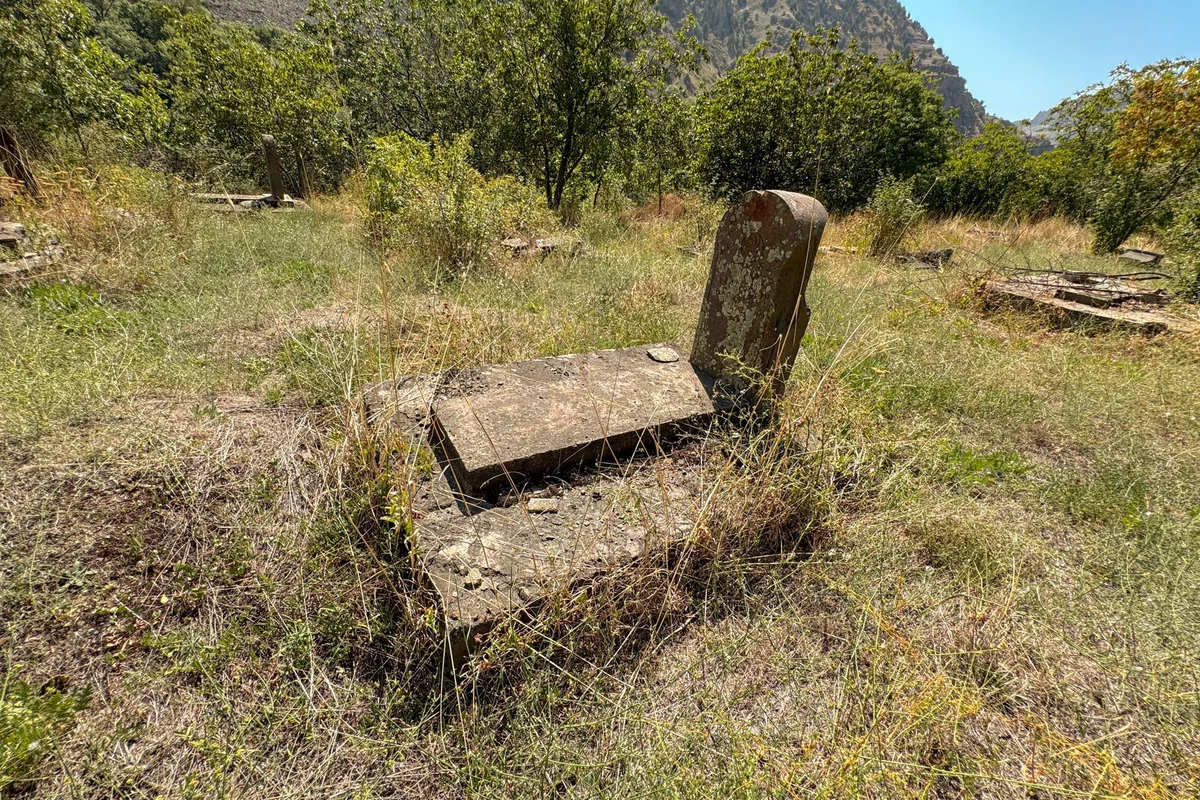
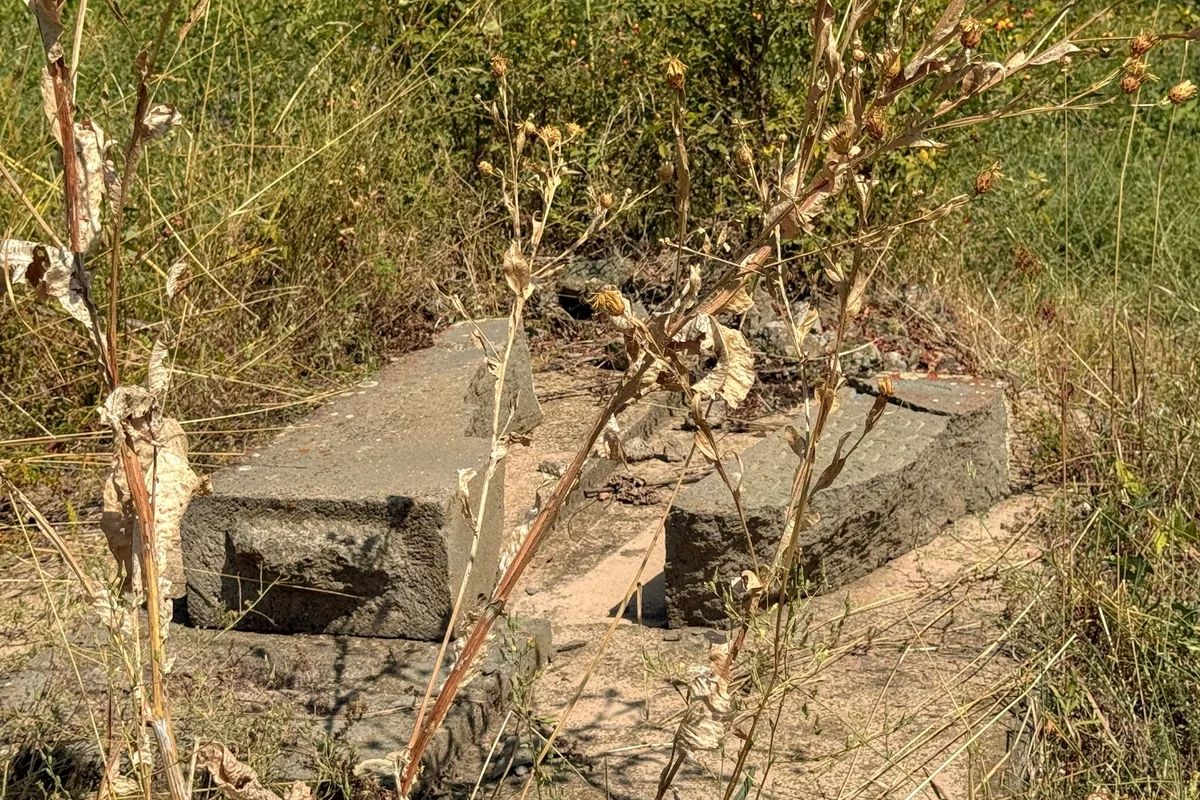
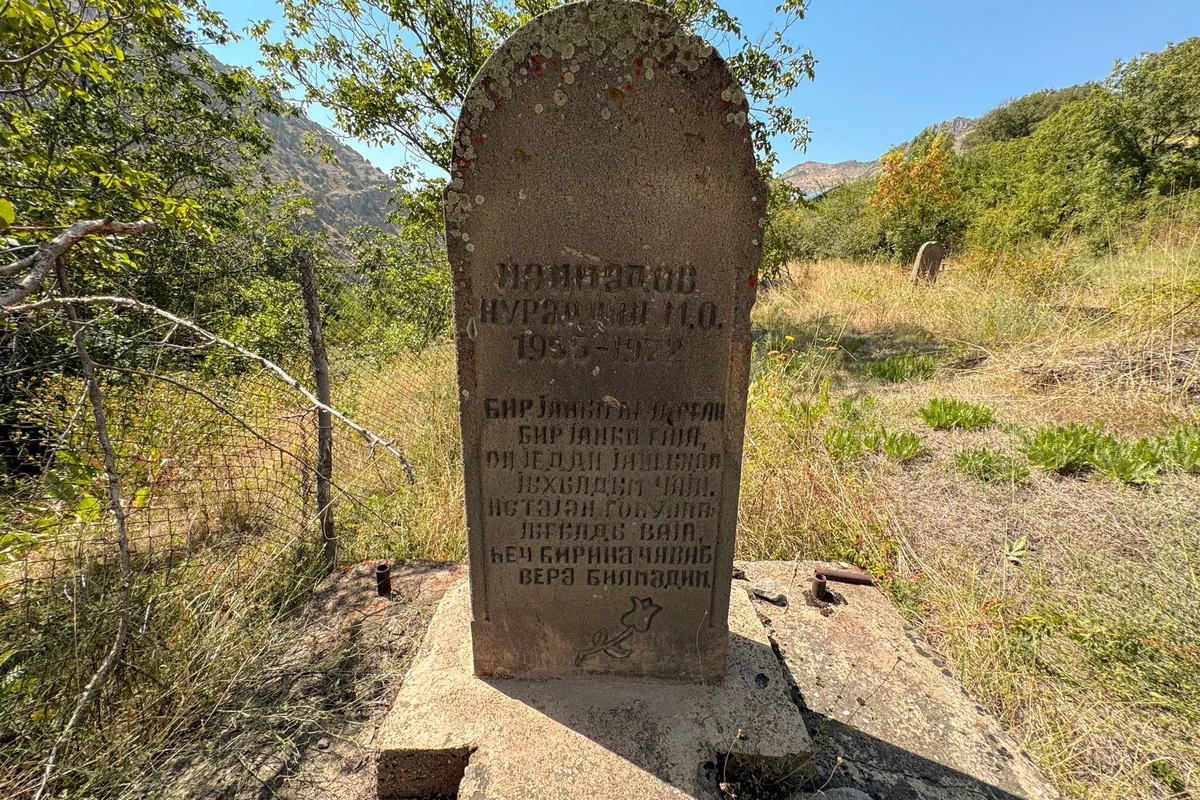
Between 2021 and 2024, extensive fieldwork was conducted across the territory of Armenia, including in remote mountainous regions. The research was undertaken in preparation for the book The Perished Civilization and focused on identifying and documenting surviving Azerbaijani heritage sites. During the fieldwork, an Azerbaijani cemetery was discovered in the village. Some of its gravestones have survived.
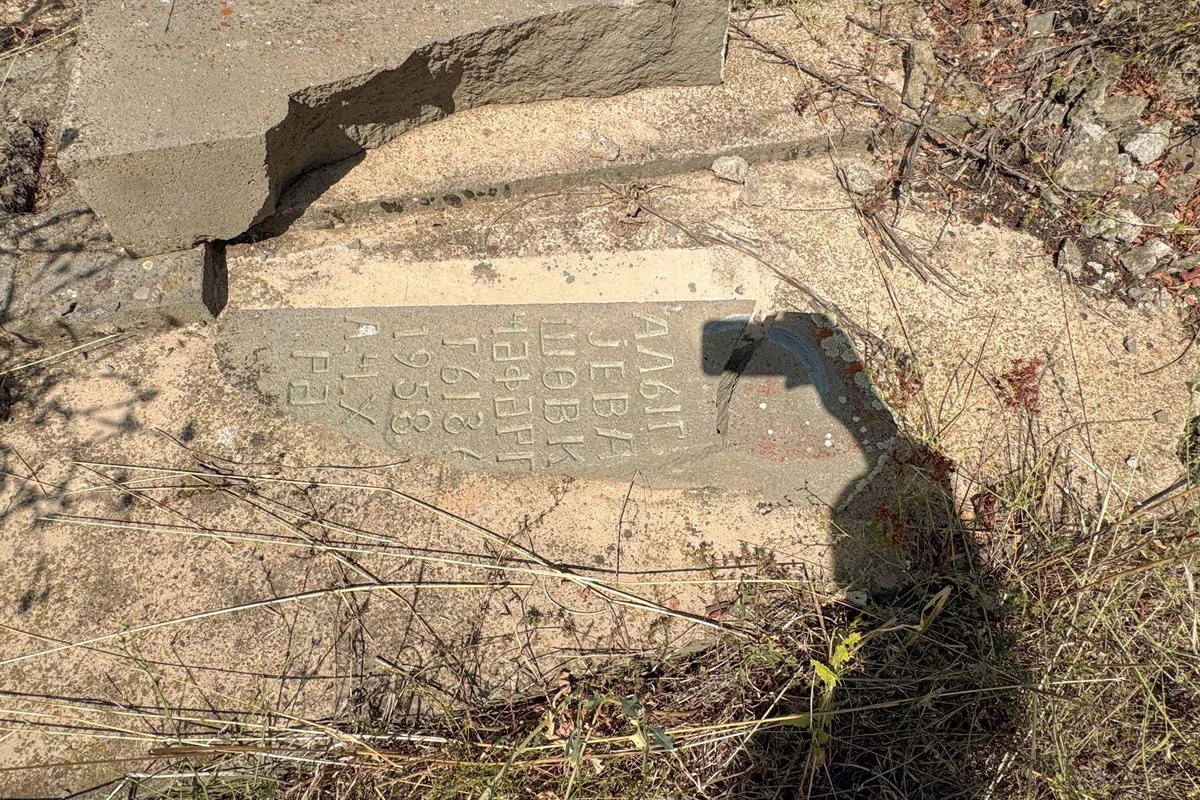
The remains of a monument connected with the Muslim religious figure Akhi Tavakkul were surveyed near the village of Alagoz during the Soviet period. His gravestone was still preserved at the site, and researchers date it to either the 14th or the 16th century. No traces of the monument were found during the fieldwork conducted between 2021 and 2024.
"Sites of Memory of Western Azerbaijan" is a research project that has collected and systematized information on nearly 600 villages in present-day Armenia once inhabited by the ancestors of modern Azerbaijanis. Field research documented surviving elements of Turkic cultural and historical heritage in some of these villages, including cemeteries, shrines and mosques.
Author